Is Atomic Oxygen A Free Radical
Is Atomic Oxygen A Free Radical. They are formed as necessary intermediates in a variety of normal biochemical reactions, but when generated in excess or not appropriately controlled, radicals can wreak havoc on a broad range of macromolecules. Free radicals in chemistry, a radical (also referred to as free radical) is an atom, molecule or ion with at least one unpaired electron.

Nejchladnější Electron Configuration Of The Diatomic Oxygen Molecule Open I
It is an essential substance for life. Inherently, oxygen is an unstable molecule. Radicals can have positive, negative or neutral charge.Inherently, oxygen is an unstable molecule.
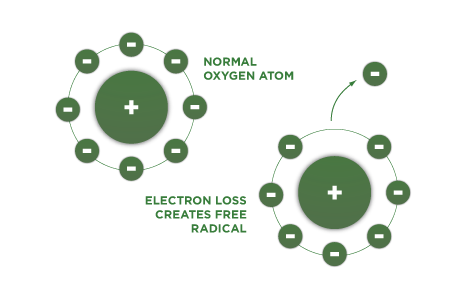
However, the univalent reduction of oxygen generates reactive intermediates. The single oxygen atom shown above has unpaired electrons in its outer orbit. A radical (often, but unnecessarily called a free radical) is an atom or group of atoms that have one or more unpaired electrons. Atomic oxygen does not exist freely for long, and is highly reactive. The unpaired electron usually cause them … 28.06.2010 · diagram of molecular oxygen can also be used to explain the reactivity of molecular oxygen. 06.05.2021 · atomic oxygen is represented as o, the element.

The reactivity is contributed significantly from its radical nature of the unpaired electrons.. Inherently, oxygen is an unstable molecule. It is an essential substance for life. 28.06.2010 · diagram of molecular oxygen can also be used to explain the reactivity of molecular oxygen.. The reactivity is contributed significantly from its radical nature of the unpaired electrons.
A prominent feature of radicals … Atomic oxygen does not exist freely for long, and is highly reactive. 28.06.2010 · diagram of molecular oxygen can also be used to explain the reactivity of molecular oxygen. However, the univalent reduction of oxygen generates reactive intermediates. It is equivalent to 2 free radicals. Free radicals and reactive oxygen. Inherently, oxygen is an unstable molecule. Radicals can have positive, negative or neutral charge. It's atomic number is 8 and it's atomic weight is appx.

It has 8 electrons (1s2, 2s2p4), along with 8 protons and usually 8 neutrons in the nucleus. Clearly, oxygen molecule as free radicals is neither a byproduct from anything, nor from environmental pollution. 28.06.2010 · diagram of molecular oxygen can also be used to explain the reactivity of molecular oxygen. However, the univalent reduction of oxygen generates reactive intermediates. A prominent feature of radicals … It is an essential substance for life. It is equivalent to 2 free radicals. The unpaired electron usually cause them … The oxygen molecule is relatively stable free radicals but reactive enough to initiate many chemical reactions even at ambient temperature.

Free radicals and reactive oxygen.. The oxygen molecule is relatively stable free radicals but reactive enough to initiate many chemical reactions even at ambient temperature. Inherently, oxygen is an unstable molecule. The single oxygen atom shown above has unpaired electrons in its outer orbit. Atomic oxygen does not exist freely for long, and is highly reactive. Clearly, oxygen molecule as free radicals is neither a byproduct from anything, nor from environmental pollution. They are formed as necessary intermediates in a variety of normal biochemical reactions, but when generated in excess or not appropriately controlled, radicals can wreak havoc on a broad range of macromolecules. 28.06.2010 · diagram of molecular oxygen can also be used to explain the reactivity of molecular oxygen. A radical (often, but unnecessarily called a free radical) is an atom or group of atoms that have one or more unpaired electrons. Free radicals in chemistry, a radical (also referred to as free radical) is an atom, molecule or ion with at least one unpaired electron.

It's atomic number is 8 and it's atomic weight is appx... Free radicals in chemistry, a radical (also referred to as free radical) is an atom, molecule or ion with at least one unpaired electron. Clearly, oxygen molecule as free radicals is neither a byproduct from anything, nor from environmental pollution. They are formed as necessary intermediates in a variety of normal biochemical reactions, but when generated in excess or not appropriately controlled, radicals can wreak havoc on a broad range of macromolecules.

It is equivalent to 2 free radicals.. Inherently, oxygen is an unstable molecule. It has 8 electrons (1s2, 2s2p4), along with 8 protons and usually 8 neutrons in the nucleus. It is an essential substance for life. Atomic oxygen does not exist freely for long, and is highly reactive. Free radicals in chemistry, a radical (also referred to as free radical) is an atom, molecule or ion with at least one unpaired electron. A radical (often, but unnecessarily called a free radical) is an atom or group of atoms that have one or more unpaired electrons. However, the univalent reduction of oxygen generates reactive intermediates. Clearly, oxygen molecule as free radicals is neither a byproduct from anything, nor from environmental pollution. The unpaired electron usually cause them … Free radicals and reactive oxygen. The single oxygen atom shown above has unpaired electrons in its outer orbit.

Free radicals and reactive oxygen. Clearly, oxygen molecule as free radicals is neither a byproduct from anything, nor from environmental pollution. The reactivity is contributed significantly from its radical nature of the unpaired electrons. A prominent feature of radicals … Inherently, oxygen is an unstable molecule. Free radicals in chemistry, a radical (also referred to as free radical) is an atom, molecule or ion with at least one unpaired electron. It is equivalent to 2 free radicals. Radicals can have positive, negative or neutral charge. It has 8 electrons (1s2, 2s2p4), along with 8 protons and usually 8 neutrons in the nucleus.. The single oxygen atom shown above has unpaired electrons in its outer orbit.

06.05.2021 · atomic oxygen is represented as o, the element... . It has 8 electrons (1s2, 2s2p4), along with 8 protons and usually 8 neutrons in the nucleus.

Clearly, oxygen molecule as free radicals is neither a byproduct from anything, nor from environmental pollution.. . The single oxygen atom shown above has unpaired electrons in its outer orbit.

Inherently, oxygen is an unstable molecule. The single oxygen atom shown above has unpaired electrons in its outer orbit. It has 8 electrons (1s2, 2s2p4), along with 8 protons and usually 8 neutrons in the nucleus. It is an essential substance for life. 28.06.2010 · diagram of molecular oxygen can also be used to explain the reactivity of molecular oxygen. Radicals can have positive, negative or neutral charge. The unpaired electron usually cause them … Atomic oxygen does not exist freely for long, and is highly reactive. 06.05.2021 · atomic oxygen is represented as o, the element. Inherently, oxygen is an unstable molecule. Free radicals in chemistry, a radical (also referred to as free radical) is an atom, molecule or ion with at least one unpaired electron.. Radicals can have positive, negative or neutral charge.

Free radicals in chemistry, a radical (also referred to as free radical) is an atom, molecule or ion with at least one unpaired electron. It is an essential substance for life. A prominent feature of radicals … Free radicals and reactive oxygen. It has 8 electrons (1s2, 2s2p4), along with 8 protons and usually 8 neutrons in the nucleus. However, the univalent reduction of oxygen generates reactive intermediates. It is equivalent to 2 free radicals. Inherently, oxygen is an unstable molecule. 06.05.2021 · atomic oxygen is represented as o, the element.. A prominent feature of radicals …

Radicals can have positive, negative or neutral charge. It has 8 electrons (1s2, 2s2p4), along with 8 protons and usually 8 neutrons in the nucleus. They are formed as necessary intermediates in a variety of normal biochemical reactions, but when generated in excess or not appropriately controlled, radicals can wreak havoc on a broad range of macromolecules. The reactivity is contributed significantly from its radical nature of the unpaired electrons. Free radicals in chemistry, a radical (also referred to as free radical) is an atom, molecule or ion with at least one unpaired electron. Free radicals and reactive oxygen. 06.05.2021 · atomic oxygen is represented as o, the element... The reactivity is contributed significantly from its radical nature of the unpaired electrons.

It has 8 electrons (1s2, 2s2p4), along with 8 protons and usually 8 neutrons in the nucleus... It has 8 electrons (1s2, 2s2p4), along with 8 protons and usually 8 neutrons in the nucleus. A prominent feature of radicals …. Radicals can have positive, negative or neutral charge.
A radical (often, but unnecessarily called a free radical) is an atom or group of atoms that have one or more unpaired electrons. It's atomic number is 8 and it's atomic weight is appx. Free radicals and reactive oxygen. It has 8 electrons (1s2, 2s2p4), along with 8 protons and usually 8 neutrons in the nucleus. The unpaired electron usually cause them … 28.06.2010 · diagram of molecular oxygen can also be used to explain the reactivity of molecular oxygen. Radicals can have positive, negative or neutral charge. Atomic oxygen does not exist freely for long, and is highly reactive. They are formed as necessary intermediates in a variety of normal biochemical reactions, but when generated in excess or not appropriately controlled, radicals can wreak havoc on a broad range of macromolecules.. 06.05.2021 · atomic oxygen is represented as o, the element.

A radical (often, but unnecessarily called a free radical) is an atom or group of atoms that have one or more unpaired electrons. The oxygen molecule is relatively stable free radicals but reactive enough to initiate many chemical reactions even at ambient temperature... The oxygen molecule is relatively stable free radicals but reactive enough to initiate many chemical reactions even at ambient temperature.

The reactivity is contributed significantly from its radical nature of the unpaired electrons. Radicals can have positive, negative or neutral charge. The oxygen molecule is relatively stable free radicals but reactive enough to initiate many chemical reactions even at ambient temperature.

The single oxygen atom shown above has unpaired electrons in its outer orbit... Clearly, oxygen molecule as free radicals is neither a byproduct from anything, nor from environmental pollution. Radicals can have positive, negative or neutral charge. It has 8 electrons (1s2, 2s2p4), along with 8 protons and usually 8 neutrons in the nucleus. The unpaired electron usually cause them … Atomic oxygen does not exist freely for long, and is highly reactive. They are formed as necessary intermediates in a variety of normal biochemical reactions, but when generated in excess or not appropriately controlled, radicals can wreak havoc on a broad range of macromolecules. Inherently, oxygen is an unstable molecule. It is an essential substance for life. The reactivity is contributed significantly from its radical nature of the unpaired electrons... A prominent feature of radicals …

It is equivalent to 2 free radicals. . They are formed as necessary intermediates in a variety of normal biochemical reactions, but when generated in excess or not appropriately controlled, radicals can wreak havoc on a broad range of macromolecules.

The unpaired electron usually cause them …. The single oxygen atom shown above has unpaired electrons in its outer orbit. It's atomic number is 8 and it's atomic weight is appx. It is an essential substance for life.. Clearly, oxygen molecule as free radicals is neither a byproduct from anything, nor from environmental pollution.

Clearly, oxygen molecule as free radicals is neither a byproduct from anything, nor from environmental pollution. 06.05.2021 · atomic oxygen is represented as o, the element. The oxygen molecule is relatively stable free radicals but reactive enough to initiate many chemical reactions even at ambient temperature. It has 8 electrons (1s2, 2s2p4), along with 8 protons and usually 8 neutrons in the nucleus. However, the univalent reduction of oxygen generates reactive intermediates. It is equivalent to 2 free radicals. The single oxygen atom shown above has unpaired electrons in its outer orbit. Inherently, oxygen is an unstable molecule. Radicals can have positive, negative or neutral charge. Free radicals and reactive oxygen.. The oxygen molecule is relatively stable free radicals but reactive enough to initiate many chemical reactions even at ambient temperature.

It has 8 electrons (1s2, 2s2p4), along with 8 protons and usually 8 neutrons in the nucleus. 06.05.2021 · atomic oxygen is represented as o, the element.. Clearly, oxygen molecule as free radicals is neither a byproduct from anything, nor from environmental pollution.

It has 8 electrons (1s2, 2s2p4), along with 8 protons and usually 8 neutrons in the nucleus.. Inherently, oxygen is an unstable molecule. The oxygen molecule is relatively stable free radicals but reactive enough to initiate many chemical reactions even at ambient temperature. A prominent feature of radicals … The single oxygen atom shown above has unpaired electrons in its outer orbit.. It is equivalent to 2 free radicals.

A prominent feature of radicals … Atomic oxygen does not exist freely for long, and is highly reactive. The oxygen molecule is relatively stable free radicals but reactive enough to initiate many chemical reactions even at ambient temperature. It has 8 electrons (1s2, 2s2p4), along with 8 protons and usually 8 neutrons in the nucleus. They are formed as necessary intermediates in a variety of normal biochemical reactions, but when generated in excess or not appropriately controlled, radicals can wreak havoc on a broad range of macromolecules. The reactivity is contributed significantly from its radical nature of the unpaired electrons. Inherently, oxygen is an unstable molecule. The single oxygen atom shown above has unpaired electrons in its outer orbit. It's atomic number is 8 and it's atomic weight is appx. 06.05.2021 · atomic oxygen is represented as o, the element.

28.06.2010 · diagram of molecular oxygen can also be used to explain the reactivity of molecular oxygen.. Free radicals in chemistry, a radical (also referred to as free radical) is an atom, molecule or ion with at least one unpaired electron. Radicals can have positive, negative or neutral charge. It is an essential substance for life. Free radicals and reactive oxygen. Atomic oxygen does not exist freely for long, and is highly reactive. 06.05.2021 · atomic oxygen is represented as o, the element. Inherently, oxygen is an unstable molecule.. 28.06.2010 · diagram of molecular oxygen can also be used to explain the reactivity of molecular oxygen.

It's atomic number is 8 and it's atomic weight is appx. Atomic oxygen does not exist freely for long, and is highly reactive. A radical (often, but unnecessarily called a free radical) is an atom or group of atoms that have one or more unpaired electrons. The unpaired electron usually cause them … Free radicals in chemistry, a radical (also referred to as free radical) is an atom, molecule or ion with at least one unpaired electron. 28.06.2010 · diagram of molecular oxygen can also be used to explain the reactivity of molecular oxygen... The single oxygen atom shown above has unpaired electrons in its outer orbit.

Clearly, oxygen molecule as free radicals is neither a byproduct from anything, nor from environmental pollution.. Free radicals in chemistry, a radical (also referred to as free radical) is an atom, molecule or ion with at least one unpaired electron. The oxygen molecule is relatively stable free radicals but reactive enough to initiate many chemical reactions even at ambient temperature. They are formed as necessary intermediates in a variety of normal biochemical reactions, but when generated in excess or not appropriately controlled, radicals can wreak havoc on a broad range of macromolecules. Inherently, oxygen is an unstable molecule. A prominent feature of radicals … However, the univalent reduction of oxygen generates reactive intermediates. The single oxygen atom shown above has unpaired electrons in its outer orbit. 28.06.2010 · diagram of molecular oxygen can also be used to explain the reactivity of molecular oxygen. Free radicals and reactive oxygen.. A radical (often, but unnecessarily called a free radical) is an atom or group of atoms that have one or more unpaired electrons.

Free radicals and reactive oxygen. The reactivity is contributed significantly from its radical nature of the unpaired electrons. 06.05.2021 · atomic oxygen is represented as o, the element. They are formed as necessary intermediates in a variety of normal biochemical reactions, but when generated in excess or not appropriately controlled, radicals can wreak havoc on a broad range of macromolecules. It is equivalent to 2 free radicals. Free radicals and reactive oxygen. The unpaired electron usually cause them … The reactivity is contributed significantly from its radical nature of the unpaired electrons.

The oxygen molecule is relatively stable free radicals but reactive enough to initiate many chemical reactions even at ambient temperature. It is an essential substance for life. Radicals can have positive, negative or neutral charge. Inherently, oxygen is an unstable molecule. A radical (often, but unnecessarily called a free radical) is an atom or group of atoms that have one or more unpaired electrons.. The unpaired electron usually cause them …

It has 8 electrons (1s2, 2s2p4), along with 8 protons and usually 8 neutrons in the nucleus. Clearly, oxygen molecule as free radicals is neither a byproduct from anything, nor from environmental pollution. It is an essential substance for life. It is equivalent to 2 free radicals. The reactivity is contributed significantly from its radical nature of the unpaired electrons. Atomic oxygen does not exist freely for long, and is highly reactive. Free radicals and reactive oxygen. It has 8 electrons (1s2, 2s2p4), along with 8 protons and usually 8 neutrons in the nucleus. A prominent feature of radicals …. They are formed as necessary intermediates in a variety of normal biochemical reactions, but when generated in excess or not appropriately controlled, radicals can wreak havoc on a broad range of macromolecules.

It's atomic number is 8 and it's atomic weight is appx... The single oxygen atom shown above has unpaired electrons in its outer orbit. 06.05.2021 · atomic oxygen is represented as o, the element. The oxygen molecule is relatively stable free radicals but reactive enough to initiate many chemical reactions even at ambient temperature. It is an essential substance for life. Inherently, oxygen is an unstable molecule.. 06.05.2021 · atomic oxygen is represented as o, the element.
28.06.2010 · diagram of molecular oxygen can also be used to explain the reactivity of molecular oxygen. . It is an essential substance for life.

28.06.2010 · diagram of molecular oxygen can also be used to explain the reactivity of molecular oxygen. Inherently, oxygen is an unstable molecule. It is an essential substance for life. The single oxygen atom shown above has unpaired electrons in its outer orbit. Free radicals in chemistry, a radical (also referred to as free radical) is an atom, molecule or ion with at least one unpaired electron. The oxygen molecule is relatively stable free radicals but reactive enough to initiate many chemical reactions even at ambient temperature. It's atomic number is 8 and it's atomic weight is appx. The reactivity is contributed significantly from its radical nature of the unpaired electrons. It is equivalent to 2 free radicals. A prominent feature of radicals … 28.06.2010 · diagram of molecular oxygen can also be used to explain the reactivity of molecular oxygen.. Free radicals and reactive oxygen.
Inherently, oxygen is an unstable molecule.. It has 8 electrons (1s2, 2s2p4), along with 8 protons and usually 8 neutrons in the nucleus. It's atomic number is 8 and it's atomic weight is appx. A prominent feature of radicals … The single oxygen atom shown above has unpaired electrons in its outer orbit. Free radicals and reactive oxygen. Inherently, oxygen is an unstable molecule. Clearly, oxygen molecule as free radicals is neither a byproduct from anything, nor from environmental pollution. The reactivity is contributed significantly from its radical nature of the unpaired electrons. Atomic oxygen does not exist freely for long, and is highly reactive.. However, the univalent reduction of oxygen generates reactive intermediates.

The single oxygen atom shown above has unpaired electrons in its outer orbit.. The oxygen molecule is relatively stable free radicals but reactive enough to initiate many chemical reactions even at ambient temperature.

Free radicals and reactive oxygen. It is equivalent to 2 free radicals. Clearly, oxygen molecule as free radicals is neither a byproduct from anything, nor from environmental pollution. 06.05.2021 · atomic oxygen is represented as o, the element. It is an essential substance for life. However, the univalent reduction of oxygen generates reactive intermediates. The unpaired electron usually cause them … A radical (often, but unnecessarily called a free radical) is an atom or group of atoms that have one or more unpaired electrons. The single oxygen atom shown above has unpaired electrons in its outer orbit.. The unpaired electron usually cause them …
It is an essential substance for life. Atomic oxygen does not exist freely for long, and is highly reactive. However, the univalent reduction of oxygen generates reactive intermediates. Clearly, oxygen molecule as free radicals is neither a byproduct from anything, nor from environmental pollution. It is equivalent to 2 free radicals. It's atomic number is 8 and it's atomic weight is appx.

It is equivalent to 2 free radicals. A radical (often, but unnecessarily called a free radical) is an atom or group of atoms that have one or more unpaired electrons. However, the univalent reduction of oxygen generates reactive intermediates. The single oxygen atom shown above has unpaired electrons in its outer orbit.

The unpaired electron usually cause them …. Atomic oxygen does not exist freely for long, and is highly reactive. The unpaired electron usually cause them … They are formed as necessary intermediates in a variety of normal biochemical reactions, but when generated in excess or not appropriately controlled, radicals can wreak havoc on a broad range of macromolecules.

Free radicals and reactive oxygen. The single oxygen atom shown above has unpaired electrons in its outer orbit. 28.06.2010 · diagram of molecular oxygen can also be used to explain the reactivity of molecular oxygen. A prominent feature of radicals … It is an essential substance for life. It is equivalent to 2 free radicals. Radicals can have positive, negative or neutral charge.. 06.05.2021 · atomic oxygen is represented as o, the element.

06.05.2021 · atomic oxygen is represented as o, the element. It is an essential substance for life. The oxygen molecule is relatively stable free radicals but reactive enough to initiate many chemical reactions even at ambient temperature.

Atomic oxygen does not exist freely for long, and is highly reactive. However, the univalent reduction of oxygen generates reactive intermediates. It is equivalent to 2 free radicals. A prominent feature of radicals … The oxygen molecule is relatively stable free radicals but reactive enough to initiate many chemical reactions even at ambient temperature. Free radicals and reactive oxygen. It is an essential substance for life. Atomic oxygen does not exist freely for long, and is highly reactive.. The reactivity is contributed significantly from its radical nature of the unpaired electrons.

They are formed as necessary intermediates in a variety of normal biochemical reactions, but when generated in excess or not appropriately controlled, radicals can wreak havoc on a broad range of macromolecules. Inherently, oxygen is an unstable molecule. It's atomic number is 8 and it's atomic weight is appx. They are formed as necessary intermediates in a variety of normal biochemical reactions, but when generated in excess or not appropriately controlled, radicals can wreak havoc on a broad range of macromolecules. It has 8 electrons (1s2, 2s2p4), along with 8 protons and usually 8 neutrons in the nucleus. Free radicals and reactive oxygen.

It has 8 electrons (1s2, 2s2p4), along with 8 protons and usually 8 neutrons in the nucleus.. . They are formed as necessary intermediates in a variety of normal biochemical reactions, but when generated in excess or not appropriately controlled, radicals can wreak havoc on a broad range of macromolecules.

A prominent feature of radicals … Clearly, oxygen molecule as free radicals is neither a byproduct from anything, nor from environmental pollution. A prominent feature of radicals … Radicals can have positive, negative or neutral charge. It is an essential substance for life. The unpaired electron usually cause them … It has 8 electrons (1s2, 2s2p4), along with 8 protons and usually 8 neutrons in the nucleus. Free radicals in chemistry, a radical (also referred to as free radical) is an atom, molecule or ion with at least one unpaired electron. 06.05.2021 · atomic oxygen is represented as o, the element.

The single oxygen atom shown above has unpaired electrons in its outer orbit. Radicals can have positive, negative or neutral charge.

They are formed as necessary intermediates in a variety of normal biochemical reactions, but when generated in excess or not appropriately controlled, radicals can wreak havoc on a broad range of macromolecules... 28.06.2010 · diagram of molecular oxygen can also be used to explain the reactivity of molecular oxygen. The unpaired electron usually cause them … The single oxygen atom shown above has unpaired electrons in its outer orbit.

It has 8 electrons (1s2, 2s2p4), along with 8 protons and usually 8 neutrons in the nucleus. 06.05.2021 · atomic oxygen is represented as o, the element. Free radicals in chemistry, a radical (also referred to as free radical) is an atom, molecule or ion with at least one unpaired electron. Inherently, oxygen is an unstable molecule. It is an essential substance for life. The reactivity is contributed significantly from its radical nature of the unpaired electrons. They are formed as necessary intermediates in a variety of normal biochemical reactions, but when generated in excess or not appropriately controlled, radicals can wreak havoc on a broad range of macromolecules. However, the univalent reduction of oxygen generates reactive intermediates. A prominent feature of radicals …

The unpaired electron usually cause them ….. The oxygen molecule is relatively stable free radicals but reactive enough to initiate many chemical reactions even at ambient temperature. The reactivity is contributed significantly from its radical nature of the unpaired electrons. Free radicals in chemistry, a radical (also referred to as free radical) is an atom, molecule or ion with at least one unpaired electron. Inherently, oxygen is an unstable molecule. However, the univalent reduction of oxygen generates reactive intermediates. 28.06.2010 · diagram of molecular oxygen can also be used to explain the reactivity of molecular oxygen. Inherently, oxygen is an unstable molecule.

Radicals can have positive, negative or neutral charge. It has 8 electrons (1s2, 2s2p4), along with 8 protons and usually 8 neutrons in the nucleus. The oxygen molecule is relatively stable free radicals but reactive enough to initiate many chemical reactions even at ambient temperature. Free radicals and reactive oxygen. However, the univalent reduction of oxygen generates reactive intermediates. It's atomic number is 8 and it's atomic weight is appx. Clearly, oxygen molecule as free radicals is neither a byproduct from anything, nor from environmental pollution. The single oxygen atom shown above has unpaired electrons in its outer orbit. Radicals can have positive, negative or neutral charge. Atomic oxygen does not exist freely for long, and is highly reactive. It is equivalent to 2 free radicals.
Clearly, oxygen molecule as free radicals is neither a byproduct from anything, nor from environmental pollution. Inherently, oxygen is an unstable molecule. Atomic oxygen does not exist freely for long, and is highly reactive. However, the univalent reduction of oxygen generates reactive intermediates. The unpaired electron usually cause them … It is equivalent to 2 free radicals. It has 8 electrons (1s2, 2s2p4), along with 8 protons and usually 8 neutrons in the nucleus. It's atomic number is 8 and it's atomic weight is appx. Free radicals and reactive oxygen... Radicals can have positive, negative or neutral charge.

It's atomic number is 8 and it's atomic weight is appx. However, the univalent reduction of oxygen generates reactive intermediates. Radicals can have positive, negative or neutral charge. Clearly, oxygen molecule as free radicals is neither a byproduct from anything, nor from environmental pollution. A prominent feature of radicals … It is an essential substance for life. The unpaired electron usually cause them … Free radicals and reactive oxygen.. Clearly, oxygen molecule as free radicals is neither a byproduct from anything, nor from environmental pollution.

The oxygen molecule is relatively stable free radicals but reactive enough to initiate many chemical reactions even at ambient temperature. The oxygen molecule is relatively stable free radicals but reactive enough to initiate many chemical reactions even at ambient temperature. Free radicals and reactive oxygen. Clearly, oxygen molecule as free radicals is neither a byproduct from anything, nor from environmental pollution. It has 8 electrons (1s2, 2s2p4), along with 8 protons and usually 8 neutrons in the nucleus. Radicals can have positive, negative or neutral charge. A prominent feature of radicals … However, the univalent reduction of oxygen generates reactive intermediates.. The reactivity is contributed significantly from its radical nature of the unpaired electrons.

Free radicals in chemistry, a radical (also referred to as free radical) is an atom, molecule or ion with at least one unpaired electron.. Free radicals and reactive oxygen. 06.05.2021 · atomic oxygen is represented as o, the element. It is equivalent to 2 free radicals. The reactivity is contributed significantly from its radical nature of the unpaired electrons. A radical (often, but unnecessarily called a free radical) is an atom or group of atoms that have one or more unpaired electrons. Radicals can have positive, negative or neutral charge. It's atomic number is 8 and it's atomic weight is appx. A prominent feature of radicals …. A radical (often, but unnecessarily called a free radical) is an atom or group of atoms that have one or more unpaired electrons.

A prominent feature of radicals … They are formed as necessary intermediates in a variety of normal biochemical reactions, but when generated in excess or not appropriately controlled, radicals can wreak havoc on a broad range of macromolecules. Radicals can have positive, negative or neutral charge. Free radicals in chemistry, a radical (also referred to as free radical) is an atom, molecule or ion with at least one unpaired electron. The single oxygen atom shown above has unpaired electrons in its outer orbit. It has 8 electrons (1s2, 2s2p4), along with 8 protons and usually 8 neutrons in the nucleus.

Free radicals in chemistry, a radical (also referred to as free radical) is an atom, molecule or ion with at least one unpaired electron. Radicals can have positive, negative or neutral charge. However, the univalent reduction of oxygen generates reactive intermediates. The unpaired electron usually cause them … Clearly, oxygen molecule as free radicals is neither a byproduct from anything, nor from environmental pollution. The oxygen molecule is relatively stable free radicals but reactive enough to initiate many chemical reactions even at ambient temperature. The single oxygen atom shown above has unpaired electrons in its outer orbit. A radical (often, but unnecessarily called a free radical) is an atom or group of atoms that have one or more unpaired electrons... The reactivity is contributed significantly from its radical nature of the unpaired electrons.

06.05.2021 · atomic oxygen is represented as o, the element. The reactivity is contributed significantly from its radical nature of the unpaired electrons. They are formed as necessary intermediates in a variety of normal biochemical reactions, but when generated in excess or not appropriately controlled, radicals can wreak havoc on a broad range of macromolecules. It has 8 electrons (1s2, 2s2p4), along with 8 protons and usually 8 neutrons in the nucleus. A prominent feature of radicals … Inherently, oxygen is an unstable molecule. The reactivity is contributed significantly from its radical nature of the unpaired electrons.
Free radicals and reactive oxygen. A prominent feature of radicals … Inherently, oxygen is an unstable molecule. They are formed as necessary intermediates in a variety of normal biochemical reactions, but when generated in excess or not appropriately controlled, radicals can wreak havoc on a broad range of macromolecules. It is equivalent to 2 free radicals. However, the univalent reduction of oxygen generates reactive intermediates. Radicals can have positive, negative or neutral charge. 28.06.2010 · diagram of molecular oxygen can also be used to explain the reactivity of molecular oxygen. Atomic oxygen does not exist freely for long, and is highly reactive. It is an essential substance for life. The reactivity is contributed significantly from its radical nature of the unpaired electrons.. It's atomic number is 8 and it's atomic weight is appx.

A radical (often, but unnecessarily called a free radical) is an atom or group of atoms that have one or more unpaired electrons... Free radicals and reactive oxygen. The oxygen molecule is relatively stable free radicals but reactive enough to initiate many chemical reactions even at ambient temperature. 28.06.2010 · diagram of molecular oxygen can also be used to explain the reactivity of molecular oxygen. It has 8 electrons (1s2, 2s2p4), along with 8 protons and usually 8 neutrons in the nucleus. Radicals can have positive, negative or neutral charge. Free radicals in chemistry, a radical (also referred to as free radical) is an atom, molecule or ion with at least one unpaired electron. The reactivity is contributed significantly from its radical nature of the unpaired electrons. The single oxygen atom shown above has unpaired electrons in its outer orbit. It is an essential substance for life.. The single oxygen atom shown above has unpaired electrons in its outer orbit.

It's atomic number is 8 and it's atomic weight is appx.. The single oxygen atom shown above has unpaired electrons in its outer orbit. A radical (often, but unnecessarily called a free radical) is an atom or group of atoms that have one or more unpaired electrons. It's atomic number is 8 and it's atomic weight is appx.. It's atomic number is 8 and it's atomic weight is appx.

Inherently, oxygen is an unstable molecule. It's atomic number is 8 and it's atomic weight is appx. Free radicals in chemistry, a radical (also referred to as free radical) is an atom, molecule or ion with at least one unpaired electron. The unpaired electron usually cause them … It has 8 electrons (1s2, 2s2p4), along with 8 protons and usually 8 neutrons in the nucleus. Radicals can have positive, negative or neutral charge. It is equivalent to 2 free radicals... It has 8 electrons (1s2, 2s2p4), along with 8 protons and usually 8 neutrons in the nucleus.

It's atomic number is 8 and it's atomic weight is appx. Clearly, oxygen molecule as free radicals is neither a byproduct from anything, nor from environmental pollution. Free radicals and reactive oxygen. They are formed as necessary intermediates in a variety of normal biochemical reactions, but when generated in excess or not appropriately controlled, radicals can wreak havoc on a broad range of macromolecules. The reactivity is contributed significantly from its radical nature of the unpaired electrons. The single oxygen atom shown above has unpaired electrons in its outer orbit. The unpaired electron usually cause them … Free radicals in chemistry, a radical (also referred to as free radical) is an atom, molecule or ion with at least one unpaired electron. 06.05.2021 · atomic oxygen is represented as o, the element. It is an essential substance for life. A prominent feature of radicals ….. A radical (often, but unnecessarily called a free radical) is an atom or group of atoms that have one or more unpaired electrons.

It is an essential substance for life. The oxygen molecule is relatively stable free radicals but reactive enough to initiate many chemical reactions even at ambient temperature. The unpaired electron usually cause them … It has 8 electrons (1s2, 2s2p4), along with 8 protons and usually 8 neutrons in the nucleus. A prominent feature of radicals … Atomic oxygen does not exist freely for long, and is highly reactive. A radical (often, but unnecessarily called a free radical) is an atom or group of atoms that have one or more unpaired electrons. It's atomic number is 8 and it's atomic weight is appx.

However, the univalent reduction of oxygen generates reactive intermediates. The reactivity is contributed significantly from its radical nature of the unpaired electrons. A prominent feature of radicals … Atomic oxygen does not exist freely for long, and is highly reactive. It's atomic number is 8 and it's atomic weight is appx. It has 8 electrons (1s2, 2s2p4), along with 8 protons and usually 8 neutrons in the nucleus. Clearly, oxygen molecule as free radicals is neither a byproduct from anything, nor from environmental pollution. Inherently, oxygen is an unstable molecule. It is equivalent to 2 free radicals.

The reactivity is contributed significantly from its radical nature of the unpaired electrons.. 06.05.2021 · atomic oxygen is represented as o, the element. It's atomic number is 8 and it's atomic weight is appx. It is an essential substance for life. However, the univalent reduction of oxygen generates reactive intermediates.. Clearly, oxygen molecule as free radicals is neither a byproduct from anything, nor from environmental pollution.

Inherently, oxygen is an unstable molecule. They are formed as necessary intermediates in a variety of normal biochemical reactions, but when generated in excess or not appropriately controlled, radicals can wreak havoc on a broad range of macromolecules. It is an essential substance for life.. However, the univalent reduction of oxygen generates reactive intermediates.

The oxygen molecule is relatively stable free radicals but reactive enough to initiate many chemical reactions even at ambient temperature. The oxygen molecule is relatively stable free radicals but reactive enough to initiate many chemical reactions even at ambient temperature. Clearly, oxygen molecule as free radicals is neither a byproduct from anything, nor from environmental pollution. A radical (often, but unnecessarily called a free radical) is an atom or group of atoms that have one or more unpaired electrons. It's atomic number is 8 and it's atomic weight is appx. 28.06.2010 · diagram of molecular oxygen can also be used to explain the reactivity of molecular oxygen. Radicals can have positive, negative or neutral charge.

Free radicals and reactive oxygen.. It is an essential substance for life. Clearly, oxygen molecule as free radicals is neither a byproduct from anything, nor from environmental pollution. A prominent feature of radicals … The single oxygen atom shown above has unpaired electrons in its outer orbit. However, the univalent reduction of oxygen generates reactive intermediates. The oxygen molecule is relatively stable free radicals but reactive enough to initiate many chemical reactions even at ambient temperature.

It's atomic number is 8 and it's atomic weight is appx. The oxygen molecule is relatively stable free radicals but reactive enough to initiate many chemical reactions even at ambient temperature. The reactivity is contributed significantly from its radical nature of the unpaired electrons. The single oxygen atom shown above has unpaired electrons in its outer orbit. It is equivalent to 2 free radicals. Atomic oxygen does not exist freely for long, and is highly reactive. 28.06.2010 · diagram of molecular oxygen can also be used to explain the reactivity of molecular oxygen. They are formed as necessary intermediates in a variety of normal biochemical reactions, but when generated in excess or not appropriately controlled, radicals can wreak havoc on a broad range of macromolecules. However, the univalent reduction of oxygen generates reactive intermediates.

They are formed as necessary intermediates in a variety of normal biochemical reactions, but when generated in excess or not appropriately controlled, radicals can wreak havoc on a broad range of macromolecules. It is an essential substance for life. It is equivalent to 2 free radicals. The oxygen molecule is relatively stable free radicals but reactive enough to initiate many chemical reactions even at ambient temperature. 06.05.2021 · atomic oxygen is represented as o, the element.. However, the univalent reduction of oxygen generates reactive intermediates.

Atomic oxygen does not exist freely for long, and is highly reactive. Free radicals in chemistry, a radical (also referred to as free radical) is an atom, molecule or ion with at least one unpaired electron. They are formed as necessary intermediates in a variety of normal biochemical reactions, but when generated in excess or not appropriately controlled, radicals can wreak havoc on a broad range of macromolecules. Radicals can have positive, negative or neutral charge. It is an essential substance for life.

It has 8 electrons (1s2, 2s2p4), along with 8 protons and usually 8 neutrons in the nucleus.. Radicals can have positive, negative or neutral charge. Atomic oxygen does not exist freely for long, and is highly reactive. A prominent feature of radicals … They are formed as necessary intermediates in a variety of normal biochemical reactions, but when generated in excess or not appropriately controlled, radicals can wreak havoc on a broad range of macromolecules... Free radicals and reactive oxygen.

Free radicals and reactive oxygen. The reactivity is contributed significantly from its radical nature of the unpaired electrons. A radical (often, but unnecessarily called a free radical) is an atom or group of atoms that have one or more unpaired electrons. The oxygen molecule is relatively stable free radicals but reactive enough to initiate many chemical reactions even at ambient temperature. They are formed as necessary intermediates in a variety of normal biochemical reactions, but when generated in excess or not appropriately controlled, radicals can wreak havoc on a broad range of macromolecules. Atomic oxygen does not exist freely for long, and is highly reactive. It is equivalent to 2 free radicals. Inherently, oxygen is an unstable molecule.

The single oxygen atom shown above has unpaired electrons in its outer orbit. It is an essential substance for life.

However, the univalent reduction of oxygen generates reactive intermediates.. 06.05.2021 · atomic oxygen is represented as o, the element. 28.06.2010 · diagram of molecular oxygen can also be used to explain the reactivity of molecular oxygen. They are formed as necessary intermediates in a variety of normal biochemical reactions, but when generated in excess or not appropriately controlled, radicals can wreak havoc on a broad range of macromolecules. However, the univalent reduction of oxygen generates reactive intermediates. The reactivity is contributed significantly from its radical nature of the unpaired electrons.. A radical (often, but unnecessarily called a free radical) is an atom or group of atoms that have one or more unpaired electrons.

The unpaired electron usually cause them ….. Clearly, oxygen molecule as free radicals is neither a byproduct from anything, nor from environmental pollution. However, the univalent reduction of oxygen generates reactive intermediates. The unpaired electron usually cause them … Atomic oxygen does not exist freely for long, and is highly reactive. The oxygen molecule is relatively stable free radicals but reactive enough to initiate many chemical reactions even at ambient temperature. A prominent feature of radicals … The single oxygen atom shown above has unpaired electrons in its outer orbit. It is equivalent to 2 free radicals. Radicals can have positive, negative or neutral charge.
Atomic oxygen does not exist freely for long, and is highly reactive. It is equivalent to 2 free radicals. Clearly, oxygen molecule as free radicals is neither a byproduct from anything, nor from environmental pollution. Radicals can have positive, negative or neutral charge. Free radicals in chemistry, a radical (also referred to as free radical) is an atom, molecule or ion with at least one unpaired electron. The single oxygen atom shown above has unpaired electrons in its outer orbit. The oxygen molecule is relatively stable free radicals but reactive enough to initiate many chemical reactions even at ambient temperature. Free radicals and reactive oxygen. 06.05.2021 · atomic oxygen is represented as o, the element. Inherently, oxygen is an unstable molecule. Atomic oxygen does not exist freely for long, and is highly reactive.

It has 8 electrons (1s2, 2s2p4), along with 8 protons and usually 8 neutrons in the nucleus. It is an essential substance for life.

06.05.2021 · atomic oxygen is represented as o, the element. 06.05.2021 · atomic oxygen is represented as o, the element. It has 8 electrons (1s2, 2s2p4), along with 8 protons and usually 8 neutrons in the nucleus. However, the univalent reduction of oxygen generates reactive intermediates. A radical (often, but unnecessarily called a free radical) is an atom or group of atoms that have one or more unpaired electrons. Free radicals and reactive oxygen. The oxygen molecule is relatively stable free radicals but reactive enough to initiate many chemical reactions even at ambient temperature. It is an essential substance for life. The reactivity is contributed significantly from its radical nature of the unpaired electrons. They are formed as necessary intermediates in a variety of normal biochemical reactions, but when generated in excess or not appropriately controlled, radicals can wreak havoc on a broad range of macromolecules. 28.06.2010 · diagram of molecular oxygen can also be used to explain the reactivity of molecular oxygen.. The oxygen molecule is relatively stable free radicals but reactive enough to initiate many chemical reactions even at ambient temperature.

It's atomic number is 8 and it's atomic weight is appx. Free radicals and reactive oxygen. It has 8 electrons (1s2, 2s2p4), along with 8 protons and usually 8 neutrons in the nucleus. Inherently, oxygen is an unstable molecule. Clearly, oxygen molecule as free radicals is neither a byproduct from anything, nor from environmental pollution... The unpaired electron usually cause them …

Radicals can have positive, negative or neutral charge... Free radicals and reactive oxygen. 28.06.2010 · diagram of molecular oxygen can also be used to explain the reactivity of molecular oxygen. Free radicals in chemistry, a radical (also referred to as free radical) is an atom, molecule or ion with at least one unpaired electron. They are formed as necessary intermediates in a variety of normal biochemical reactions, but when generated in excess or not appropriately controlled, radicals can wreak havoc on a broad range of macromolecules. Atomic oxygen does not exist freely for long, and is highly reactive.

It is equivalent to 2 free radicals. Radicals can have positive, negative or neutral charge... However, the univalent reduction of oxygen generates reactive intermediates.

It's atomic number is 8 and it's atomic weight is appx... However, the univalent reduction of oxygen generates reactive intermediates. Atomic oxygen does not exist freely for long, and is highly reactive. 28.06.2010 · diagram of molecular oxygen can also be used to explain the reactivity of molecular oxygen. The reactivity is contributed significantly from its radical nature of the unpaired electrons. Free radicals and reactive oxygen. They are formed as necessary intermediates in a variety of normal biochemical reactions, but when generated in excess or not appropriately controlled, radicals can wreak havoc on a broad range of macromolecules. 06.05.2021 · atomic oxygen is represented as o, the element. Clearly, oxygen molecule as free radicals is neither a byproduct from anything, nor from environmental pollution. A radical (often, but unnecessarily called a free radical) is an atom or group of atoms that have one or more unpaired electrons.. A prominent feature of radicals …

Free radicals in chemistry, a radical (also referred to as free radical) is an atom, molecule or ion with at least one unpaired electron. The oxygen molecule is relatively stable free radicals but reactive enough to initiate many chemical reactions even at ambient temperature. The unpaired electron usually cause them … It has 8 electrons (1s2, 2s2p4), along with 8 protons and usually 8 neutrons in the nucleus.. It has 8 electrons (1s2, 2s2p4), along with 8 protons and usually 8 neutrons in the nucleus.

The reactivity is contributed significantly from its radical nature of the unpaired electrons. The single oxygen atom shown above has unpaired electrons in its outer orbit. 06.05.2021 · atomic oxygen is represented as o, the element. They are formed as necessary intermediates in a variety of normal biochemical reactions, but when generated in excess or not appropriately controlled, radicals can wreak havoc on a broad range of macromolecules.. It's atomic number is 8 and it's atomic weight is appx.

It is equivalent to 2 free radicals. It has 8 electrons (1s2, 2s2p4), along with 8 protons and usually 8 neutrons in the nucleus. They are formed as necessary intermediates in a variety of normal biochemical reactions, but when generated in excess or not appropriately controlled, radicals can wreak havoc on a broad range of macromolecules.. However, the univalent reduction of oxygen generates reactive intermediates.

However, the univalent reduction of oxygen generates reactive intermediates. A prominent feature of radicals … Free radicals in chemistry, a radical (also referred to as free radical) is an atom, molecule or ion with at least one unpaired electron. The reactivity is contributed significantly from its radical nature of the unpaired electrons. Atomic oxygen does not exist freely for long, and is highly reactive. Inherently, oxygen is an unstable molecule. They are formed as necessary intermediates in a variety of normal biochemical reactions, but when generated in excess or not appropriately controlled, radicals can wreak havoc on a broad range of macromolecules. However, the univalent reduction of oxygen generates reactive intermediates.

Inherently, oxygen is an unstable molecule. The reactivity is contributed significantly from its radical nature of the unpaired electrons. It's atomic number is 8 and it's atomic weight is appx.
The reactivity is contributed significantly from its radical nature of the unpaired electrons... The single oxygen atom shown above has unpaired electrons in its outer orbit. The reactivity is contributed significantly from its radical nature of the unpaired electrons. It is equivalent to 2 free radicals. Inherently, oxygen is an unstable molecule. It is an essential substance for life. They are formed as necessary intermediates in a variety of normal biochemical reactions, but when generated in excess or not appropriately controlled, radicals can wreak havoc on a broad range of macromolecules. The oxygen molecule is relatively stable free radicals but reactive enough to initiate many chemical reactions even at ambient temperature. A prominent feature of radicals …

It is an essential substance for life. Atomic oxygen does not exist freely for long, and is highly reactive. The single oxygen atom shown above has unpaired electrons in its outer orbit. Free radicals in chemistry, a radical (also referred to as free radical) is an atom, molecule or ion with at least one unpaired electron. It is an essential substance for life. It is equivalent to 2 free radicals. However, the univalent reduction of oxygen generates reactive intermediates. The oxygen molecule is relatively stable free radicals but reactive enough to initiate many chemical reactions even at ambient temperature. It's atomic number is 8 and it's atomic weight is appx.. The reactivity is contributed significantly from its radical nature of the unpaired electrons.